


In this article, we introduce a machining case study involving precision components made from HPM75.
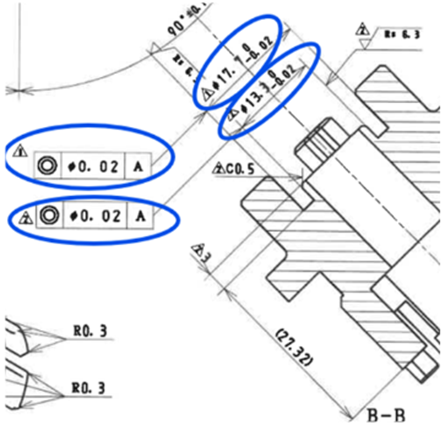
In this project, the material presented several challenges. HPM75 is a high-hardness material (HRC 41–44) and also has a tendency to work-harden during machining. In addition, many dimensions required very tight tolerances of 0.02 mm or less, making this a highly difficult machining project that demanded extremely high precision.

Our Approach
At Yumoto Vietnam, we ensured stable quality in this high-difficulty machining project through the following initiatives:
Through these three practices, we are able to maintain consistent quality even in highly demanding machining applications.
Challenges in Fine Groove Machining
The groove dimensions were 2.2 mm in width and 3 mm in depth, and a Ø2 mm end mill was used for the operation.
Because the machining required low cutting speeds and multiple passes, the cutting load was relatively high. In addition, the groove was prone to taper formation, which created a risk where the top side might meet tolerance requirements while the bottom side could fall outside the tolerance range.
Countermeasure
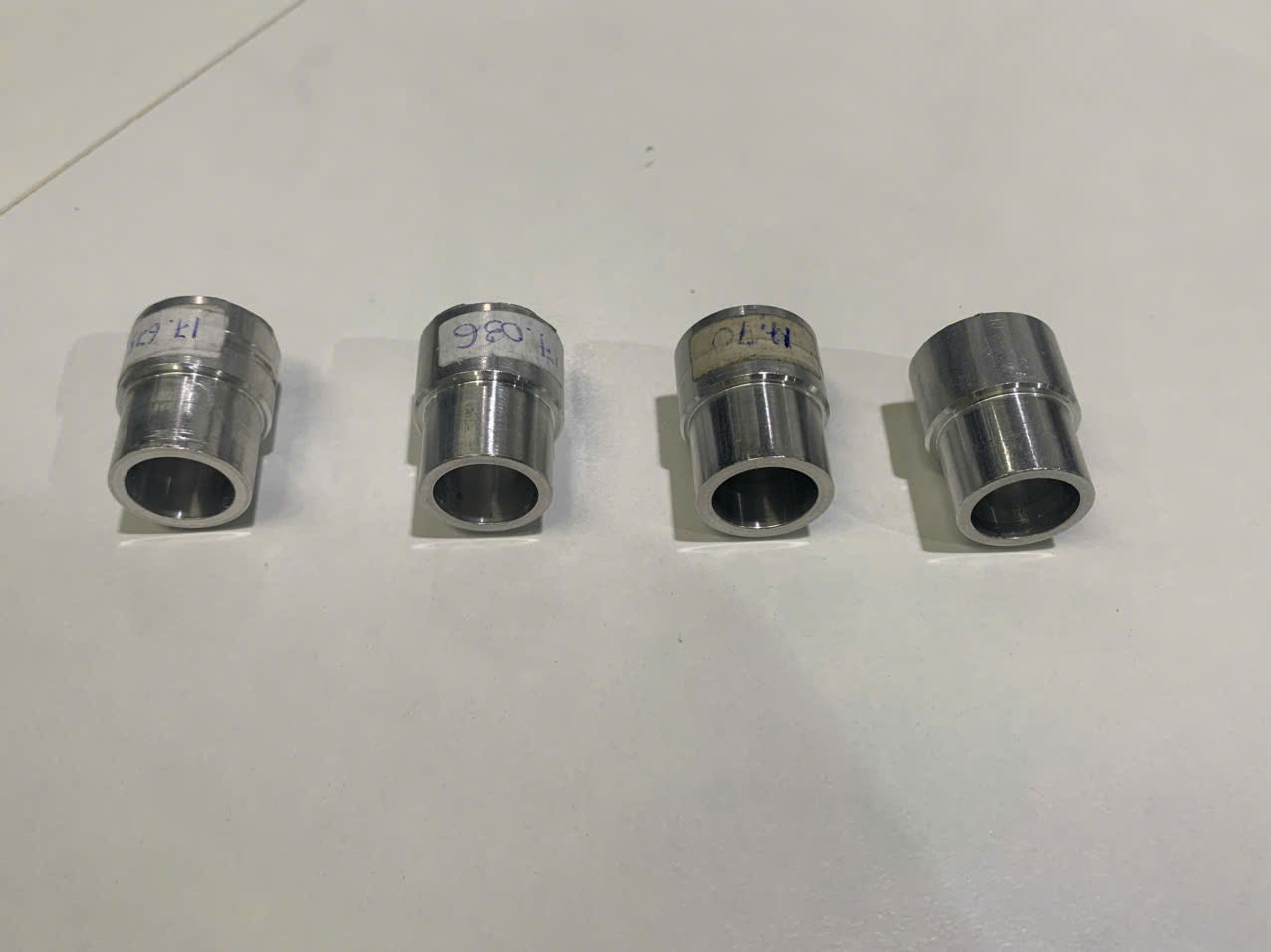
At Yumoto Vietnam, in addition to carefully optimizing the machining conditions, we manufactured a dedicated pipe-shaped inspection gauge in-house to accurately check the bottom portion of the groove.
By improving not only the machining process but also the inspection method, we were able to ensure a more reliable level of quality assurance.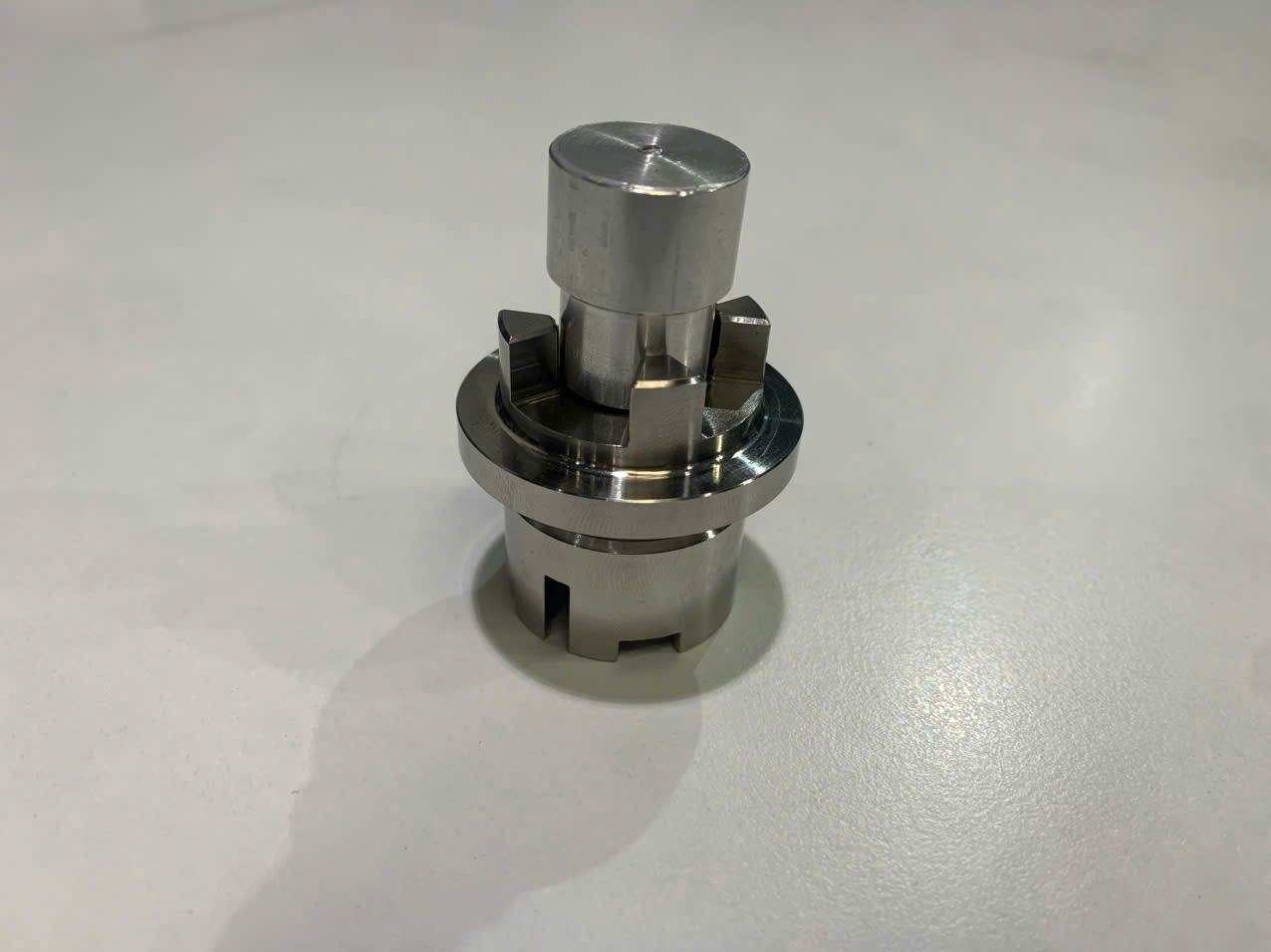
High-Precision Pocket Machining (20H6: 0 / +0.013)
Another requirement was a 20H6 tolerance (0 / +0.013 mm).
This tolerance range is only 13 microns, making it extremely tight.
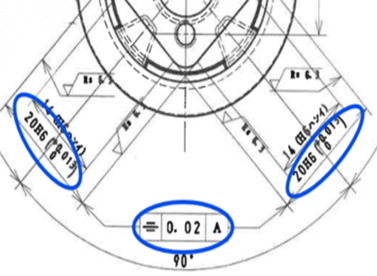
Because of this, it was difficult to achieve the final dimension in a single machining operation. During the finishing process, work hardening of the material made fine adjustments extremely challenging.
Despite these strict conditions, Yumoto Vietnam successfully achieved the required accuracy through careful process control on the shop floor and accumulated machining know-how.
Conclusion
Machining high-hardness materials with micron-level tolerances requires more than just advanced equipment. It also demands:
At Yumoto Vietnam, we carefully address each of these challenges to ensure stable quality even in high-precision and high-difficulty machining projects.


Copyright ©2023 Yumoto Vietnam Co., Ltd.


