


Hello from Yumoto Vietnam! I’m Rumi, the sales and marketing leader of Yumoto Vietnam, and we are continuing our blog series, Production Manager Nathan’s Lesson Series, with another plastic material we regularly use: POM.
POM (Polyoxymethylene, also known as Acetal engineering plastic) is a semi-crystalline thermoplastic engineering plastic. Some common POM trade names are Delrin® and Duracon®. It is characterized by high rigidity, excellent mechanical strength, low friction, and good dimensional stability. POM is commonly used as a metal substitute in precision and moving applications such as gears and automotive components.
1. The material is easy to machine and causes minimal tool wear.
2. However, it is relatively prone to deformation after machining, especially for complex shapes with thin sections.
3. When ambient temperature changes significantly, dimensions may change slightly, so tolerances should be checked under stable conditions (around 23–25°C).
4. Because deformation can occur after machining, thin plate-type parts should retain the standard thickness (i.e. the thickness of the material as-is) to prevent warping.
In Vietnam, our suppliers stock Korean POM material in both white and black colors. Plates are available in thicknesses ranging from T6 mm to T100 mm, while rods are available in diameters from φ8 mm up to φ150 mm. The price is a little less than 7 USD per kilogram, making it slightly more affordable than MC Nylon. As Korean POM starts from thickness 6 mm, this material is not suitable for thin POM precision components of thickness below 5 mm. Machining it from 6 mm thickness can result in warping, as mentioned above. For thin POM plates or components that require tight tolerances, Japanese POM material is usually the better choice despite the higher cost.
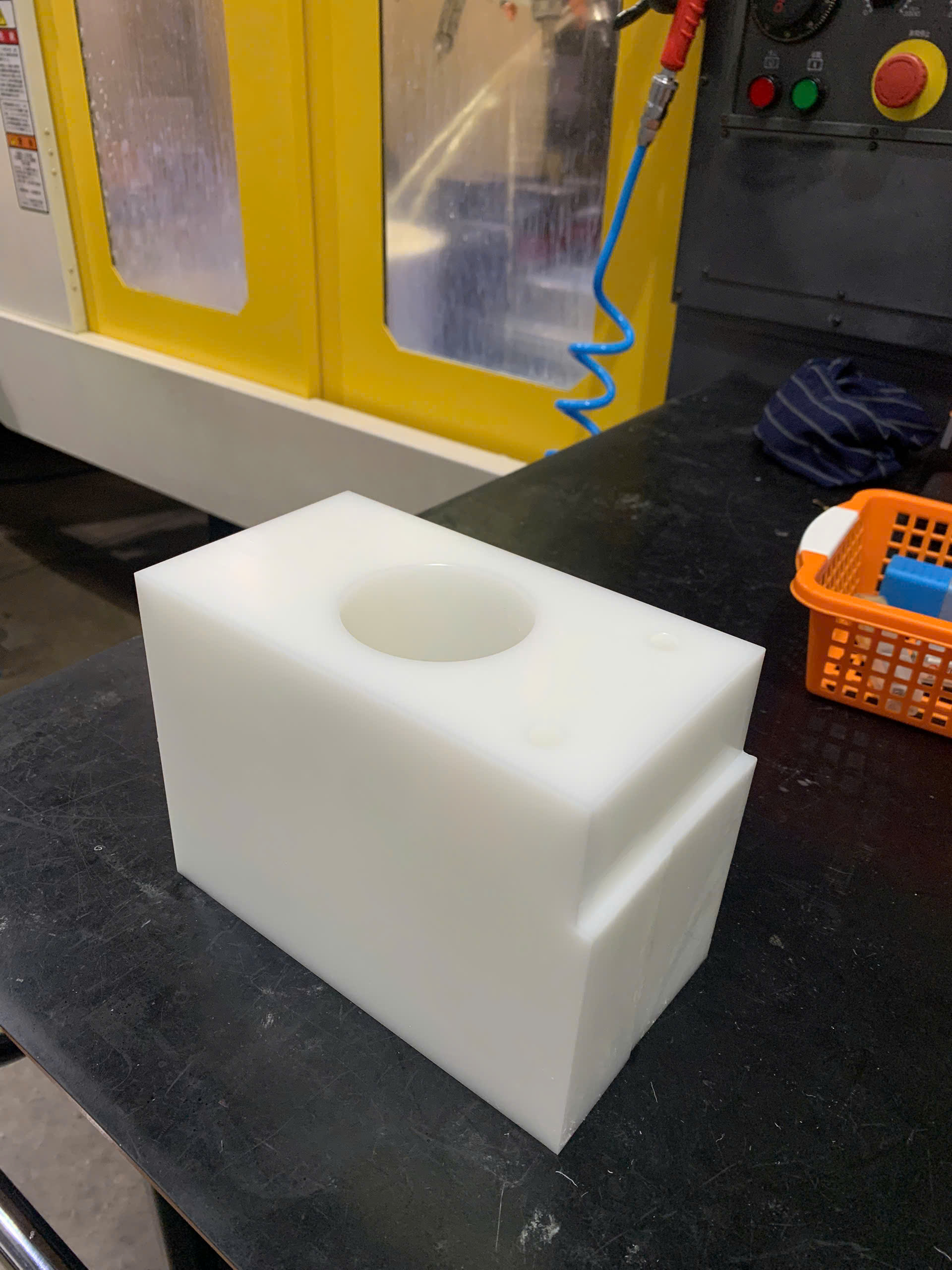
In this photo, our engineer is using T100mm thickness white POM to machine a precision component.
Japanese POM has less deformation than Korean POM due to superior manufacturing technology and higher-quality raw materials, with no impurities in the stock. Along with higher quality, the price is also higher because it is imported from Japan.
Japanese POM is available in a wider range of sizes. Both round bars and plates are available in small sizes such as 1T, 2T, 3T, and diameters of φ2, φ3, etc. for round stock. The surface of the raw material is well protected, allowing it to be used as-is without additional surface finishing.
|
Choose Korean POM when: |
Choose Japanese POM when: |
|
Thickness ≥ 5 mm |
Thin plates (< 5 mm) |
|
Standard tolerances are acceptable |
Tight tolerances are required |
|
Cost is an important factor |
Material and surface quality is important |
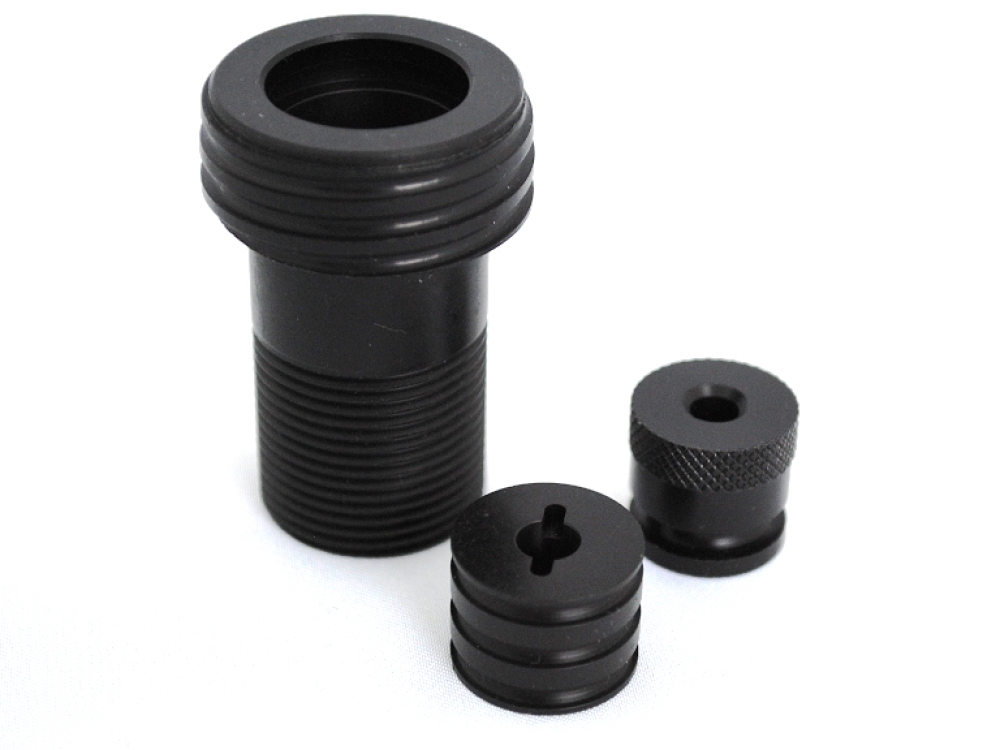
This is a precision component made from black POM. We used both CNC turning and milling to produce this product.
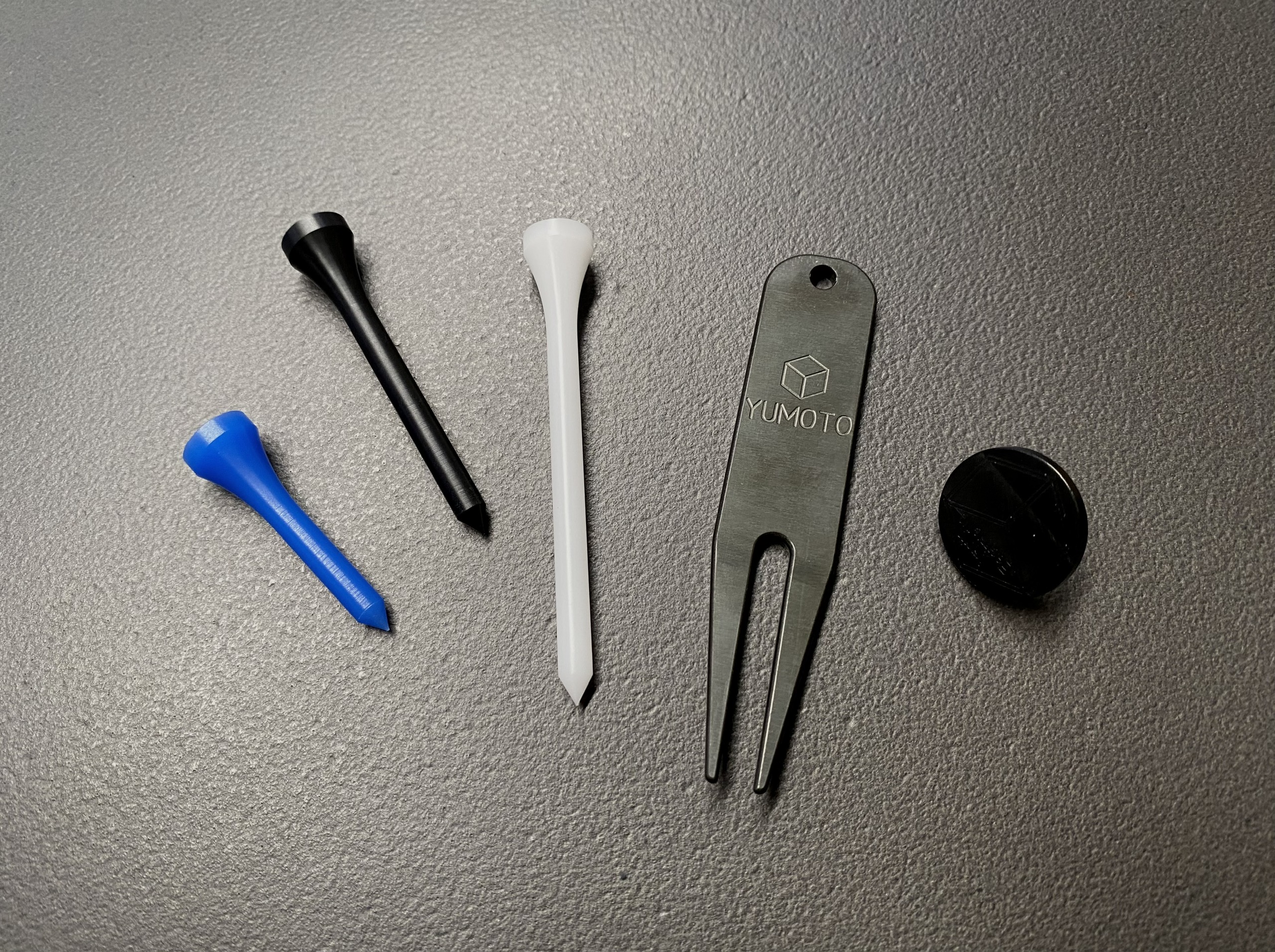
This is an original Yumoto Vietnam golf kit made from various materials including white and black POM plastic.
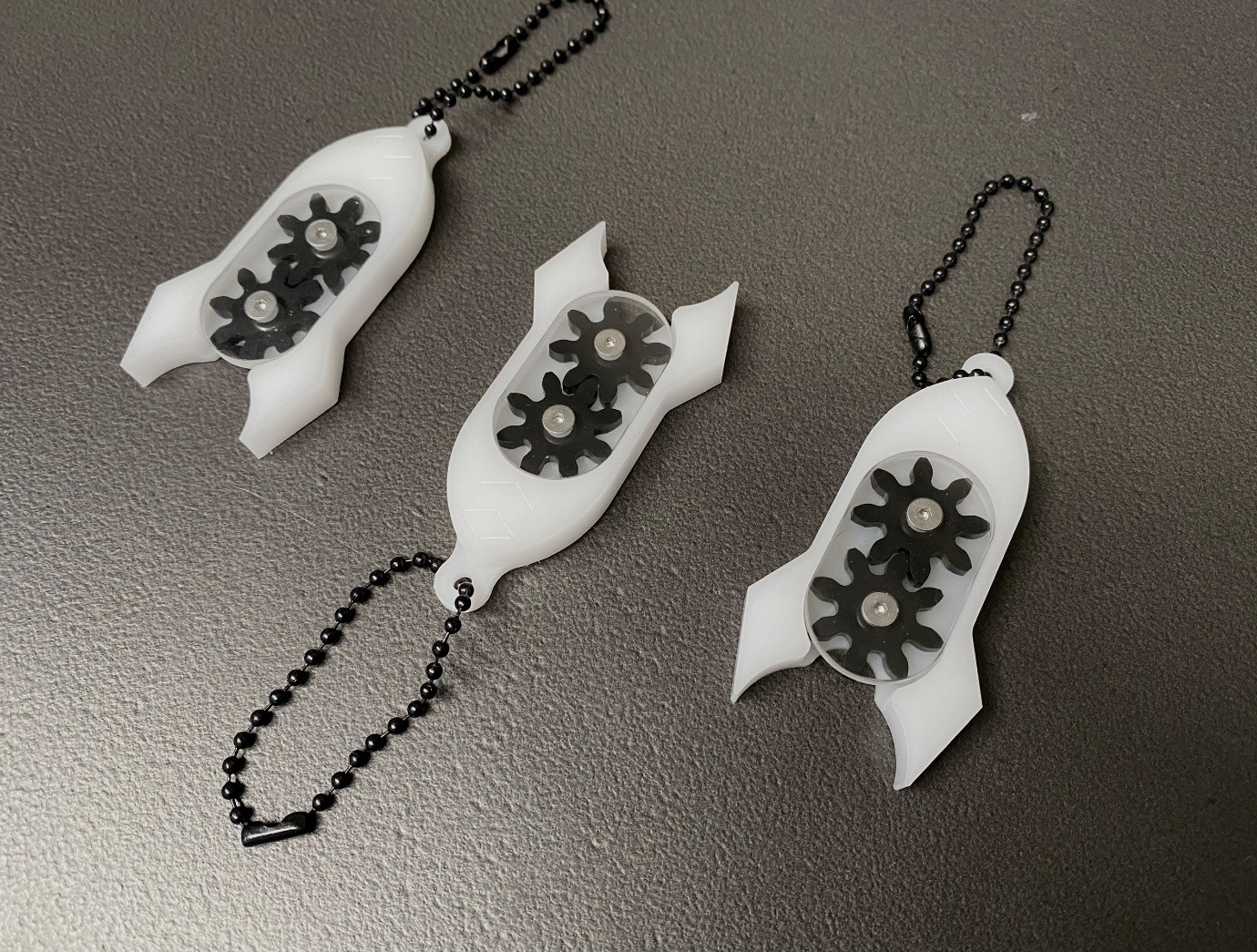
This is an original Yumoto Vietnam space rocket keychain made from white and black POM plastic.
Our production manager, Nathan (Nguyen Van Nam), has worked at the CNC machining industry for over 10 years. He worked in Yumoto Electric in Osaka, Japan as a CNC machining engineer for about 7.5 years, before returning to Vietnam to become Yumoto Vietnam’s production manager. We will share some of his expertise about different types of materials and production methods biweekly.
Learn more about Yumoto Vietnam's CNC machining service. If you are considering using POM for precision components, feel free to contact our sales representatives for quotations or specific questions about the material.


Copyright ©2023 Yumoto Vietnam Co., Ltd.


